
What Are Outdoor Ceremony Options?
What Are Outdoor Ceremony Options?

Introduction
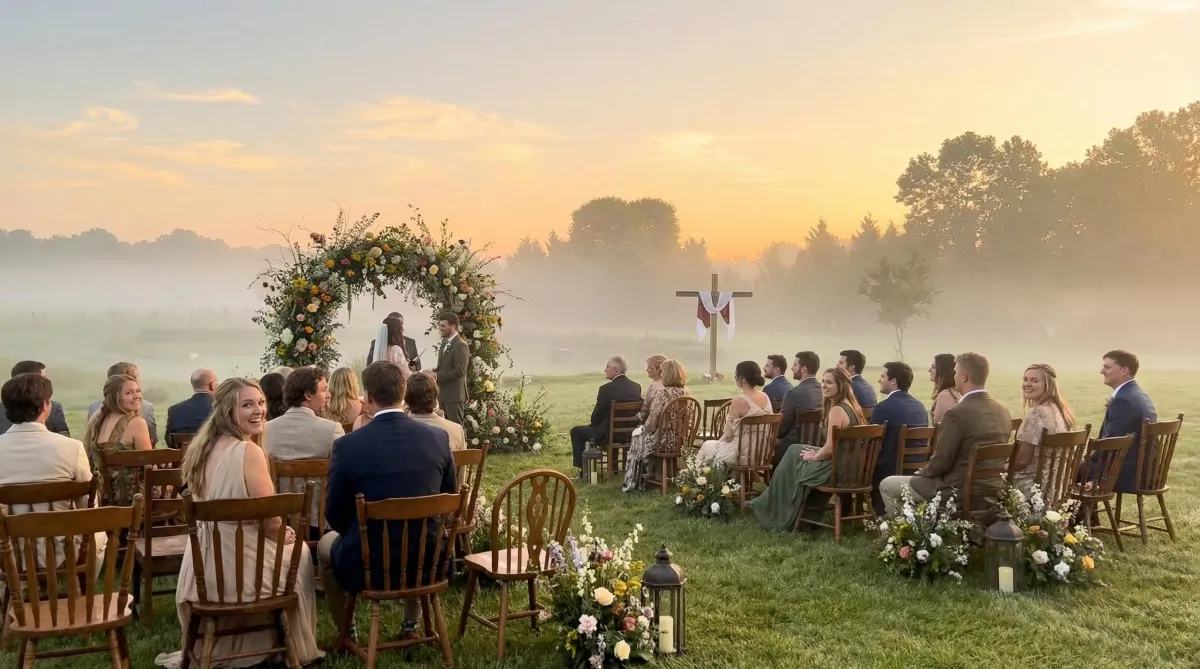
Outdoor ceremonies continue to grow in popularity because they offer something traditional indoor venues often cannot. Space. Light. A connection to nature that makes the moment feel grounded and real. Whether it is the sound of wind through trees, warm sunlight on the ceremony aisle, or wide open views behind the altar, outdoor settings create an experience that feels personal and memorable.
Choosing the right outdoor setting matters just as much as choosing the right date or guest list. The environment affects comfort, logistics, photography, sound, and the overall flow of the ceremony. Different outdoor venues support different moods, from relaxed and organic to polished and elegant.
This guide walks through the most popular outdoor ceremony options, seasonal considerations, planning logistics, decor ideas, and meaningful ways to personalize your ceremony so it reflects who you are as a couple.
Types of Outdoor Ceremony Venues
Beaches
Benefits of a Beach Ceremony
Beach ceremonies are often chosen for their natural beauty and simplicity. The ocean acts as a living backdrop, offering movement, light reflection, and ambient sound that cannot be replicated indoors. Many couples are drawn to the symbolism of water, which represents renewal, continuity, and shared journeys.
A beach ceremony often requires less structural decor because the setting itself provides visual interest. This can result in a ceremony that feels relaxed, intimate, and timeless rather than overly styled.
Common reasons couples choose beach ceremonies:
Open horizon and unobstructed views
Natural soundscape from waves
Minimal decor requirements
Casual and romantic atmosphere
Strong symbolism tied to water and nature
Tips for Planning and Logistics
While visually stunning, beach ceremonies require careful planning. Wind, sand, and sun exposure all play a role in how the ceremony unfolds. Lightweight items must be secured, and attire choices should account for heat and terrain.
Timing is critical. Early morning or late afternoon ceremonies tend to offer cooler temperatures and softer light, improving guest comfort and photography conditions.
Key planning considerations for beach ceremonies:
Secure permits required by local municipalities
Choose stable seating designed for sand
Use sound equipment that can overcome ocean noise
Communicate footwear expectations to guests
Plan for wind resistant decor and signage
Gardens and Parks

Varieties of Floral Settings
Gardens and parks offer some of the most versatile outdoor ceremony options. These venues range from manicured botanical gardens to natural open fields surrounded by trees. The diversity allows couples to select a setting that aligns with either a formal or relaxed ceremony style.
Seasonal changes play a large role in garden settings. Spring and summer bring vibrant blooms, while fall introduces rich textures and warm tones. Many couples appreciate that gardens evolve naturally throughout the year.
Common garden and park ceremony styles include:
Botanical gardens with curated landscaping
Open meadows with natural greenery
Tree lined groves offering shade and privacy
Historic parks with architectural elements
Unique Decor Ideas to Enhance the Natural Beauty
Garden ceremonies work best when decor enhances the surroundings rather than competing with them. Overly structured installations can feel out of place in organic environments. Instead, couples often choose decor that echoes the shapes and textures already present.
Floral ground arrangements, simple wooden arches, and aisle markers placed directly in grass or soil tend to feel cohesive and intentional.
Decor elements that pair well with garden venues:
Neutral or earth toned florals
Wood, linen, and natural fabrics
Low profile aisle markers
Minimal signage using organic materials
Rooftop Ceremonies
Urban Flair With Stunning Views
Rooftop ceremonies blend outdoor openness with modern sophistication. City skylines, sunset views, and architectural backdrops create a bold visual statement while maintaining a contained environment. These venues appeal to couples who want an outdoor feel without leaving an urban setting.
Rooftops often work well for smaller guest counts, creating an intimate atmosphere despite the expansive views.
Why couples choose rooftop ceremonies:
Dramatic skyline backdrops
Modern and upscale aesthetic
Central city location
Seamless transition to indoor reception spaces
Considerations for Noise and Weather
City environments bring unique challenges. Traffic noise, nearby buildings, and wind exposure can impact sound quality and guest comfort. Professional audio equipment is essential to ensure vows and music are clearly heard.
Weather exposure can feel more intense at higher elevations, making shade structures, heaters, or covered areas valuable additions.
Wineries and Vineyards

The Romantic and Rustic Vibe
Wineries and vineyards are known for their balance of elegance and warmth. Rolling vineyards, open landscapes, and historic buildings create a setting that feels romantic without being overly formal. These venues often allow ceremonies and receptions to take place within the same property, simplifying logistics.
The natural repetition of vine rows also creates visually pleasing ceremony layouts and photo opportunities.
What makes vineyard ceremonies appealing:
Open landscapes with natural symmetry
Built in ambiance without heavy decor
Smooth flow from ceremony to reception
Relaxed yet refined atmosphere
Wine Related Inclusions for the Ceremony
Some couples choose to subtly incorporate wine into their ceremony. This might include a wine blending ritual, vineyard inspired decor, or post ceremony tastings. These elements add meaning without overshadowing the vows.
When using wine symbolism, restraint is key. Small touches often feel more intentional than themed displays.
Mountains and Scenic Overlooks
Majestic Backdrops for Photos
Mountain and scenic overlook ceremonies offer dramatic landscapes that feel expansive and intimate at the same time. Natural elevation provides depth and scale, creating powerful visuals for both guests and photography.
Because the scenery is often the focal point, decor tends to be minimal, allowing the environment to take center stage.
Practical Aspects of Accessibility and Travel
Scenic locations require additional logistical planning. Terrain, elevation, and distance can affect guest accessibility and travel time. Transportation coordination and clear directions are essential.
Comfort should always be prioritized alongside visual impact. Thoughtful planning ensures the experience feels enjoyable rather than overwhelming.
Venue Comparison Table
Here’s a quick comparison table couples often find helpful when narrowing down outdoor ceremony options:

Seasonal Considerations
Season plays a major role in how an outdoor ceremony looks, feels, and functions. While outdoor venues offer flexibility, each season brings its own visual strengths and logistical challenges. Understanding these differences early helps couples choose a date and setup that supports comfort, photography, and overall guest experience.
Spring Weddings
Fresh Blooms and Mild Weather
Spring is often associated with renewal, growth, and fresh beginnings, which makes it a natural fit for wedding ceremonies. Outdoor venues come alive during this season with blooming flowers, green landscapes, and comfortable daytime temperatures.
Spring ceremonies tend to feel light, romantic, and visually vibrant, especially in garden and park settings.
Why couples love spring outdoor ceremonies:
Natural florals already in bloom
Comfortable daytime temperatures
Softer color palettes and natural light
Ideal for garden and countryside venues
Planning for Potential Rain
Spring weather can be unpredictable. Rain showers and wind are common in many regions, making contingency planning essential. A solid backup plan does not take away from the beauty of a spring ceremony. Instead, it adds peace of mind.
Smart spring planning tips:
Reserve tents or covered areas
Choose quick drying seating options
Avoid slippery aisle materials
Schedule ceremonies later in the morning if dew is common
Summer Weddings
Sunlight and Warm Temperatures
Summer ceremonies offer long daylight hours and rich golden light, which photographers often love. Outdoor spaces feel lively and expansive during summer, making it a popular choice for couples hosting larger guest lists.
However, heat management becomes one of the most important planning factors.
Benefits of summer outdoor ceremonies:
Extended daylight for flexible timelines
Bright, vibrant scenery
Ideal for open air layouts and evening ceremonies
Strong sunset lighting for photos
Tips for Shade and Hydration
Guest comfort should be prioritized during summer ceremonies. Heat can impact how long guests can comfortably sit outdoors, especially during midday hours.
Comfort focused summer solutions:
Ceremony start times closer to sunset
Shaded seating or canopy coverage
Water stations before and after the ceremony
Breathable fabrics for seating decor
Programs printed on thicker paper to avoid curling
Fall Weddings
Autumn Foliage and Ambiance
Fall outdoor ceremonies are known for their rich colors and warm atmosphere. Changing leaves, golden light, and textured landscapes often reduce the need for heavy decor.
Many couples choose fall because it balances visual interest with comfortable temperatures.
What makes fall ceremonies appealing:
Natural color variation in landscapes
Softer sunlight and cooler air
Rustic and organic styling opportunities
Reduced need for florals in some settings
Preparing for Cooler Temperatures
While fall days are often comfortable, evenings can cool quickly. Planning for temperature changes keeps guests relaxed throughout the ceremony.
Fall comfort considerations:
Provide blankets for guests
Offer warm beverages nearby
Choose seating layouts that block wind
Keep ceremonies concise as temperatures drop
Winter Weddings
Snowy Landscapes and Unique Decor
Winter outdoor ceremonies can feel intimate and serene. Snow covered landscapes, minimal foliage, and quiet surroundings create a calm atmosphere that feels intentional and unique.
Winter ceremonies often work best when the outdoor portion is brief and thoughtfully styled.
Why couples choose winter outdoor ceremonies:
Unique and memorable visuals
Minimal competition for venue availability
Simplified decor palettes
Strong contrast for photography
Importance of Heating Solutions
Cold temperatures require practical solutions to maintain guest comfort. Heating options should be planned well in advance to avoid last minute stress.
Winter planning essentials:
Portable outdoor heaters
Enclosed or semi enclosed spaces
Short ceremony durations
Clear communication with guests about attire

Logistics for Outdoor Ceremonies
Outdoor ceremonies feel effortless when planned well, but that ease is almost always the result of thoughtful logistics behind the scenes. Unlike indoor venues, outdoor spaces require couples to account for environmental factors, local regulations, and guest flow from start to finish.
This section focuses on the planning elements that most often impact ceremony success.
Permits and Regulations
Understanding Local Rules for Outdoor Events
Many outdoor ceremony locations require permits or have restrictions related to noise, timing, capacity, or land use. Public spaces such as parks and beaches often have stricter regulations, while private properties may still require insurance or event approvals.
Failing to secure permits can lead to last minute disruptions, fines, or forced changes to the ceremony layout.
Common permit related considerations:
Event time restrictions
Noise or amplification limits
Guest count maximums
Insurance or liability coverage
Vendor access rules
Planning early gives couples more flexibility and reduces the risk of unexpected issues.
Seating Arrangements
Comfortable Seating Options for Varying Terrains
Outdoor terrain plays a major role in seating decisions. Grass, gravel, sand, and uneven ground all affect stability and guest comfort. Chairs should be selected not only for appearance but also for function.
A well planned layout ensures clear sightlines, safe walkways, and comfortable spacing for guests of all ages.
Seating and layout best practices:
Choose chairs designed for outdoor surfaces
Create wide aisles for accessibility
Ensure level placement for front rows
Avoid lightweight chairs in windy areas
Test seating arrangements before the event
Audio and Visual Considerations
Ensuring Guests Can Hear Vows and Music
Sound behaves differently outdoors than it does inside enclosed spaces. Wind, open air, and ambient noise can all affect clarity. Professional audio equipment helps ensure that every guest can hear vows, readings, and music clearly.
Visual considerations also matter. Sun angle, shadows, and background distractions should be evaluated when choosing ceremony orientation.
Audio and visual planning tips:
Use lapel or handheld microphones
Test sound equipment on site
Position ceremony to avoid direct sun glare
Keep backgrounds visually clean for photos
Weather Contingencies
Planning for Rain, Sun, and Wind
Weather backup plans are essential for outdoor ceremonies. A strong contingency plan does not detract from the experience. Instead, it provides confidence and calm for everyone involved.
Guests feel more relaxed when they can see that weather considerations have been thoughtfully addressed.
Effective weather contingency options:
Tents or covered structures
Indoor or semi enclosed backup locations
Alternative ceremony layouts
Clear communication with guests and vendors
Flexible timelines when possible

Decorating Your Outdoor Ceremony
Natural Elements
Outdoor ceremony decor works best when it enhances the setting rather than overpowering it. Unlike indoor spaces, outdoor venues already provide texture, color, and atmosphere. Thoughtful design choices help maintain balance while still making the ceremony feel intentional and styled.
Incorporating Existing Scenery Into Your Decor
One of the biggest advantages of outdoor ceremonies is the built-in environment. Trees, open skies, fields, and architectural features can become part of the ceremony design instead of something to decorate over.
Rather than bringing in excessive decor, couples often find that highlighting what is already there creates a more cohesive look.
Natural elements that work well outdoors:
Greenery and foliage instead of heavy florals
Wood arches, barrels, or benches
Stone or earth toned aisle markers
Linen fabrics that move naturally with wind
Themed Decor
Aligning Decor With Venue and Personal Style
Themes are most effective when they are subtle and consistent. Outdoor ceremonies benefit from restrained palettes and materials that reflect the surrounding environment.
Instead of literal themes, couples often choose a design direction that feels aligned with the space and their personalities.
Examples of outdoor friendly design directions:
Rustic and organic with natural textures
Soft and romantic with neutral florals
Minimalist with clean lines and open space
Earth inspired with muted tones and greenery
The goal is cohesion, not excess.
Lighting Options
Using String Lights, Lanterns, and Candles
Lighting plays a major role in outdoor ceremonies, especially if the event transitions from day to evening. Soft lighting enhances atmosphere while maintaining visibility and safety.
Outdoor lighting should feel warm and inviting rather than harsh or overly bright.
Popular outdoor ceremony lighting options:
String lights woven through trees or arches
Lanterns lining ceremony aisles
Candles in hurricane glass for wind protection
Ground lighting to define walkways
Personal Touches and Customs
Personal details transform an outdoor ceremony from visually beautiful to emotionally meaningful. Open air settings often make these moments feel more intimate and grounded.
Cultural Elements
Incorporating Traditions Specific to Your Background
Outdoor ceremonies allow flexibility for cultural traditions that may require space, movement, or specific rituals. Music, attire, symbolic items, or ceremonial practices can often be incorporated more freely outdoors.
These elements help tell a fuller story about the couple and their shared values.
Ways couples include cultural elements outdoors:
Traditional music or live instruments
Symbolic fabrics or colors
Cultural processions or entrances
Ritual objects placed within the ceremony space
Personalized Vows
The Impact of Personalized Promises in Nature
Personal vows tend to feel especially powerful outdoors. The openness of the environment adds presence and authenticity to the moment.
Many couples find that writing and sharing personal vows feels less formal and more natural in an outdoor setting.
Tips for personalized vows outdoors:
Keep language clear and conversational
Practice volume and pacing
Use microphones for clarity
Prepare printed copies as backups
Unique Rituals
Ideas for Meaningful Outdoor Rituals
Outdoor settings naturally lend themselves to symbolic rituals. These moments often become some of the most memorable parts of the ceremony.
Popular outdoor ceremony rituals include:
Tree planting ceremonies
Unity sand or stone rituals
Handfasting
Shared letters or time capsules
The key is choosing rituals that feel authentic rather than performative.

Conclusion
Outdoor ceremonies offer flexibility, beauty, and emotional depth that indoor spaces often cannot replicate. From gardens and vineyards to scenic overlooks and open landscapes, outdoor venues create a setting where ceremonies feel personal, intentional, and grounded.
The most successful outdoor ceremonies balance thoughtful planning with simplicity. By considering seasonality, logistics, decor, and meaningful personal details, couples can create an experience that feels comfortable for guests and deeply reflective of their story.
If you have attended or planned an outdoor ceremony, share your experience or tips in the comments. Your insight may help someone else design a celebration that feels just right.